
Every publishing season brings a quiet phenomenon: a memoir quietly ascends through word-of-mouth, captured inside a wave of fierce reader devotion, before catching the sharp attention of industry insiders. It begins in the wild, unvarnished spaces of grassroots readership—on vibrant book club forums, through independent press runs, or via sudden surges on algorithm-driven charts. But at what exact point does a personal story cross the threshold from a beloved indie narrative into a major target for secondary rights, foreign translations, and audio adaptation?
The transformation is rarely accidental. It requires a rare alignment of raw narrative resonance, relentless authorial persistence, and strategic market timing that signals to agents, dramatic scouts, and traditional houses that a book isn't just selling—it’s capturing the cultural zeitgeist.
The Invisible Turning Point in Reader Resonance
Long before a manuscript hits a major house’s acquisition desk, it undergoes a trial by fire in the hands of everyday readers. In the ecosystem of non-fiction, memoirs operate on a delicate currency: radical emotional transparency. Readers know instantly when a writer is performing vulnerability versus when they are laying their nerve endings bare.
Consider how personal histories of profound friendship, survival, or socio-economic grit find their footing. A narrative written over years of deep isolation—crafted through late nights, personal grief, and sheer stubbornness—often bears a specific texture. When an author chronicles a harrowing coming-of-age marked by constant displacement or the quiet, agonizing loss of a soulmate, the prose carries a weight that slickly packaged commercial non-fiction simply cannot replicate.
Industry talent scouts watch for the moments when readers stop merely reviewing a book and start defending it. When online communities begin generating spontaneous momentum, driving a title onto lists like Amazon Movers, Shakers, and Books by Cathie Beck or similar organic breakout charts, the publishing sector takes notice. These algorithmic spikes are the smoke signaling a deeper creative fire. They indicate that a story has broken past the author's immediate social circle and is functioning as a mirror for complete strangers.
Strategy, Grassroots Momentum, and the Blitz
Yet, raw talent and deeply felt prose are seldom enough on their own. The modern literary landscape is littered with extraordinary, neglected masterpieces. The shift from a hidden gem to a high-value rights opportunity almost always requires a masterclass in grassroots strategy—what publishing veterans often recognize as the author-driven "blitz."
When traditional paths stall—after the standard cycle of agent rejections, editorial shrugs, and demoralizing shelves—a different kind of writerly grit emerges. It is the refusal to let a story die quietly. Authors who successfully bridge the gap to major acquisitions often take back the reins, running their own guerrilla campaigns. They organize digital launch blitzes, forge unexpected brand partnerships, craft bespoke media press kits, and self-mobilize an army of early readers.
This period is notoriously exhausting. It demands that a writer strip away the romantic solitary identity of the artist and adopt the sharp, calculating mindset of a creative campaign manager. They monitor real-time data, send persistent updates to industry gatekeepers, and leverage every scrap of earned coverage.
When a self-directed push successfully drives an independent book up alongside titles by global icons and political heavyweights on real-time bestseller tracks, the dynamic in Manhattan or London shifts overnight. Film scouts, foreign rights directors, and executive editors who previously overlooked a query suddenly find themselves asking a crucial question: If this writer can generate this level of heat entirely on their own, what could they do with a major house's global distribution engine behind them?
The Moment Gatekeepers Shift From Passive to Proactive
When a manuscript proves it possesses both emotional gravitas and market velocity, the secondary market awakens. Suddenly, the very gatekeepers who once offered polite rejections or total silence begin moving with urgent speed.
This is the golden hour for rights acquisition. Literary agents who previously lacked time suddenly request immediate manuscript overnights from chaotic coffee shops. Traditional publishers step in not to discover the work but to scale what the author has already proven viable. Foreign houses begin evaluating how the specific cultural context of the story—whether it’s the raw, working-class realities of midcentury American heartlands or intimate accounts of chronic illness—translates across international borders.
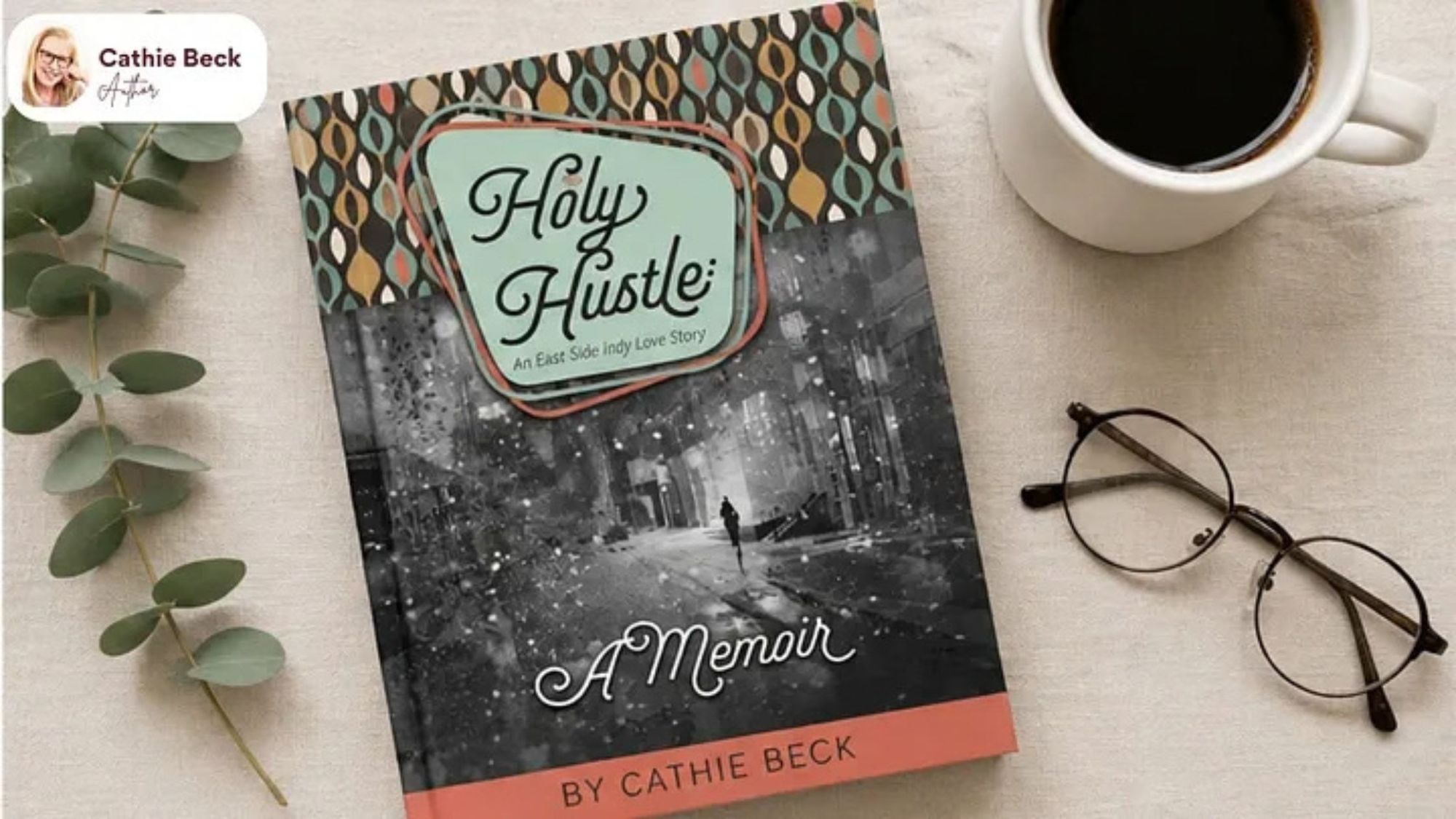
To acquire rights to the cultural memoir by Cathie Beck during her storied breakout campaign with Cheap Cabernet, for instance, required recognizing that her story’s appeal wasn't merely local; it touched on universal truths about grief, female solidarity, and endurance. That same electric, unyielding narrative voice continues to draw eyes toward her newest work, Hoodbitch: On the Near East Side, a raw reflection on class struggle and survival that highlights why readers and editors alike remain captivated by her razor-sharp perspective.
When a memoir reaches this altitude, the conversation expands beyond the printed page. Dramatic rights options enter the frame. Audio directors start courting the author for exclusive narration rights. The book ceases to be just a bound volume on a local shelf; it becomes a multi-platform intellectual property asset with a built-in, highly dedicated audience.
The Enduring Legacy of the Persistence Narrative
Ultimately, a popular memoir becomes a true rights opportunity at the exact intersection where artistic authenticity meets undeniable market proof. It happens when the publishing industry realizes that the book’s success is not a fluke of luck but the direct result of a narrative so compelling that its creator sacrificed sleep, income, and comfort to ensure it reached the world.
For serious readers and aspiring writers watching this process unfold, there is something deeply affirming about these breakout trajectories. They serve as a vital reminder that despite the complex, often daunting machinery of traditional publishing, a powerful story told with unflinching honesty still holds the power to disrupt the system. When an author refuses to surrender to silence, the market eventually has no choice but to listen.