
A real person's life can start a much bigger conversation
Fiction gives readers imaginary people and situations to discuss. Memoirs bring a different kind of experience to the table. The people existed, the events happened, and the writer has chosen which memories deserve to be shared.
That creates an interesting starting point for a book club. Members can discuss the author's choices, relationships, struggles, and reactions. They can also consider how they might have handled similar situations.
A memoir does not need a dramatic event on every page. Sometimes, an ordinary experience raises the most interesting questions. A childhood memory might bring up discussions about family expectations. A friendship story could lead members to remember people who changed their lives.
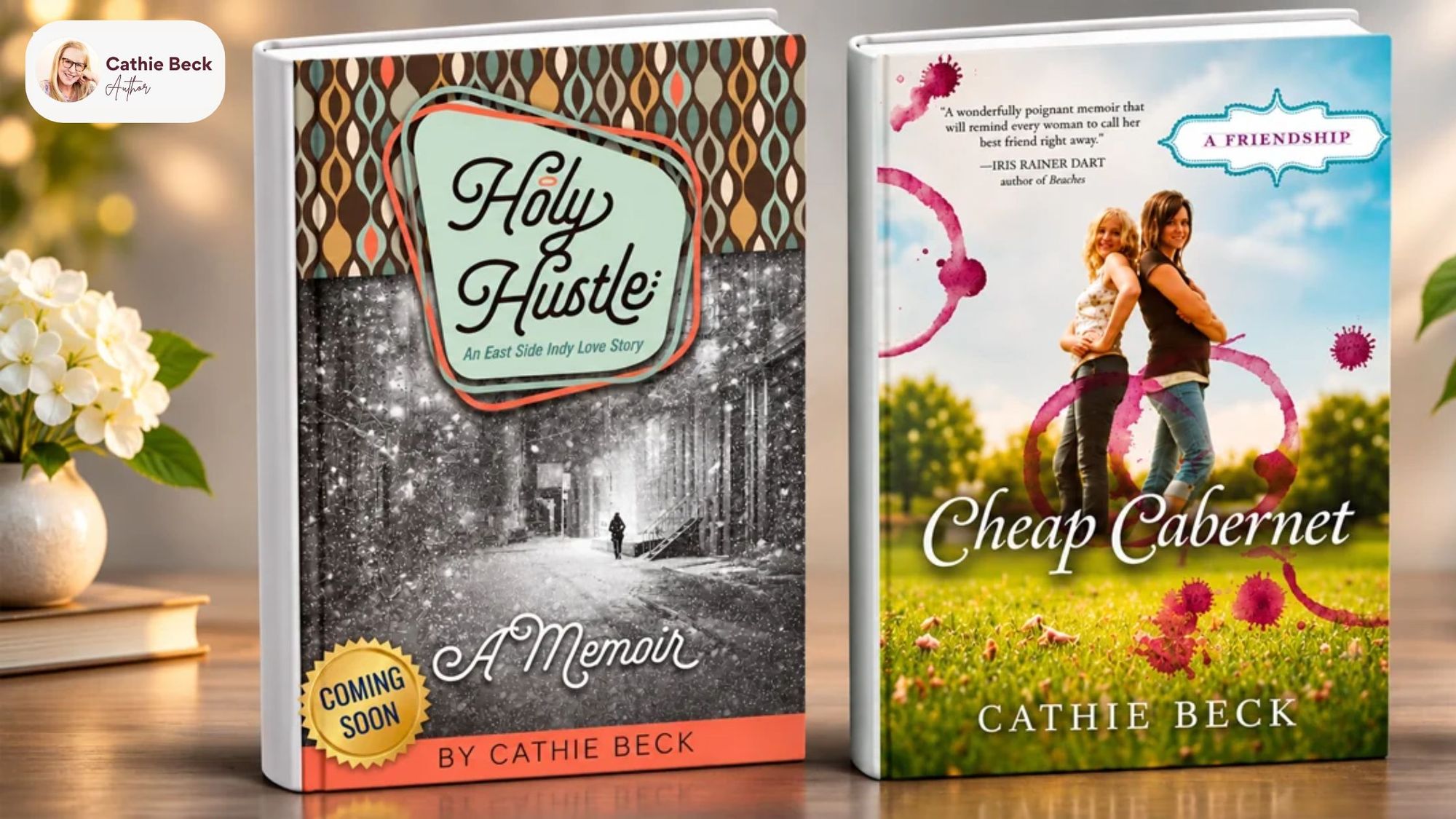
Cathie Beck's Cheap Cabernet: A Friendship gives readers plenty to consider. The book grew from her relationship with Denise, a close friend who lived with multiple sclerosis. Denise died in 1998, leaving Beck with grief and memories that stayed with her.
Beck initially approached the story as a long piece of writing. She did not set out with a complete book in mind. Over time, however, the story grew into a memoir about friendship and loss.
For a book club, this creates several natural discussion points. Members can talk about how friendships shape people and how memories change after someone is gone. They might also discuss the difference between remembering someone and understanding their full story.
The book also opens a conversation about writing personal experiences. How much should an author share about another person? How does grief affect the way someone remembers a relationship? Can writing help someone make sense of a loss?
These questions give readers more to discuss than simply deciding whether they liked the book.
That is what makes memoirs such useful book recommendations for memoir lovers. They offer a shared reading experience without requiring everyone to reach the same conclusion.
What happens when a book takes readers into a different time and place?
A good book club selection can transport readers somewhere they have never been. Memoirs make that possible through the author's memories of a particular home, neighborhood, family, or period.
Cathie Beck's upcoming memoir, Holy Hustle: An East Side Indy Love Story, takes readers into 1960s and 1970s Indianapolis. The story looks back at a formative period in her life, with grit, resilience, and wild humor shaping its tone.
The setting gives the book a clear identity. Readers can consider how a place influences childhood, relationships, and the choices people make. They can also discuss how growing up in one period might differ from growing up today.
A book club could spend time discussing the role of memory itself. Does the place someone remembers remain the same as they grow older? Which details become clearer with time? Which experiences only make sense after years have passed?
These questions are especially interesting with coming-of-age memoirs. Readers may have grown up in different cities or decades, but many childhood feelings remain familiar.
One member might connect with the pressure of growing up. Another may recognize the humor in family life or the difficulty of making sense of adult behavior. Someone else might simply enjoy discovering a side of Indianapolis they never knew.
The book's personal setting also gives members room to discuss their own hometowns. They might remember the streets where they spent their childhood or the people who shaped those years.
For readers who enjoy book recommendations for memoir lovers, Holy Hustle offers a chance to experience another person's memories while reflecting on their own.
A strong book club choice should leave room for different reactions. It should also give members something to bring into the conversation. A memoir rooted in a particular time and place can do both.
The best book club picks are not always comfortable reads
There is a reason book clubs often remember certain books long after their meetings end. The stories may have raised difficult questions or brought up feelings that members did not expect.
Memoirs can create that experience because real life rarely follows a perfect story arc. People make mistakes, relationships become complicated, and plans fall apart. Sometimes, the author does not have a neat answer for everything.
Cathie Beck's own publishing journey shows how much uncertainty can sit behind a finished book. She spent four years writing Cheap Cabernet and several more trying to find a publisher.
After repeated rejections, she rewrote large parts of the manuscript. Later, when her agent could not move the book forward, Beck put it aside. She even wondered if she should have chosen a different career.
Her next move came after reading about another author's self-publishing success. Beck decided to create her own launch campaign for Cheap Cabernet. She spent months planning the event, building interest, and contacting people in publishing.
The campaign brought attention to the book, but it also brought criticism and disappointment. Eventually, an editor requested a copy. An agent later stepped in, and several major publishers became interested.
That experience adds another layer to Beck's story. Readers can discuss not only the friendship at the heart of her memoir but also the determination involved in bringing it to readers.
It also offers a useful book club question: How do people decide when to keep going and when to change direction?
Some discussions may focus on ambition. Others may turn toward rejection, risk, or the difference between success and personal satisfaction.
Readers interested in the Books for a Better Life Award finalist category may also enjoy memoirs that encourage reflection. Personal stories can make readers look at familiar experiences from a fresh angle.
However, a book club does not need to turn every reading session into a serious debate. Humor deserves a place at the table, too. A funny memory or an unexpected choice can become the moment everyone remembers.
The best memoirs allow both reactions. They can make readers laugh in one chapter and think deeply in another.
Give everyone a reason to keep talking after the meeting
Choosing a memoir is only the first step. The right discussion can turn a regular reading session into something members genuinely look forward to.
A useful approach is to avoid questions with simple yes-or-no answers. Ask members which person they understood most, which memory stayed with them, or what they would have done differently.
For Cheap Cabernet: A Friendship, members could discuss the meaning of friendship during difficult times. They could also consider how the loss of someone close changes the way people remember shared experiences.
For Holy Hustle: An East Side Indy Love Story, the group could discuss childhood, place, family, and the way people view their past as adults. Members could also compare their own coming-of-age experiences with Beck's memories.
Not every member needs to agree. In fact, different opinions often make the discussion better. One reader may focus on the author's choices, while another may care more about the people in the story.
Book clubs can also make memoir reading more personal through small activities. Members could bring an old photograph connected to a childhood memory. They might share a song that reminds them of a particular time. Another meeting could focus on the people who changed their lives.
These activities work because memoirs invite readers to connect someone else's experiences with their own.
Readers exploring the Books for a Better Life Award finalist category can look for stories that leave room for these kinds of conversations. The goal is not to find a book everyone loves equally. It is to find one that gives everyone something worth sharing.
Make your next book club meeting one worth remembering
A book club favorite does not have to be the newest release or the most talked-about title. Sometimes, it is the book that brings out stories, opinions, laughter, and memories from everyone around the table.
Cathie Beck's Cheap Cabernet: A Friendship gives readers a personal story about friendship and loss. Her upcoming Holy Hustle: An East Side Indy Love Story brings a different focus through childhood memories and life in Indianapolis. Both offer meaningful starting points for group reading and discussion.
Readers can explore book recommendations for memoir lovers through Cathie Beck's books, join her book club, or subscribe to her newsletter for updates. Her writing also offers opportunities for readers interested in personal storytelling and narrative nonfiction. Those seeking Books for a Better Life Award finalist selections can add her work to their reading list.
The next time a book club needs a fresh pick, a memoir might be exactly what the group needs. Cathie Beck's stories give readers real experiences to discuss, different perspectives to consider, and plenty of reasons to keep the conversation going.